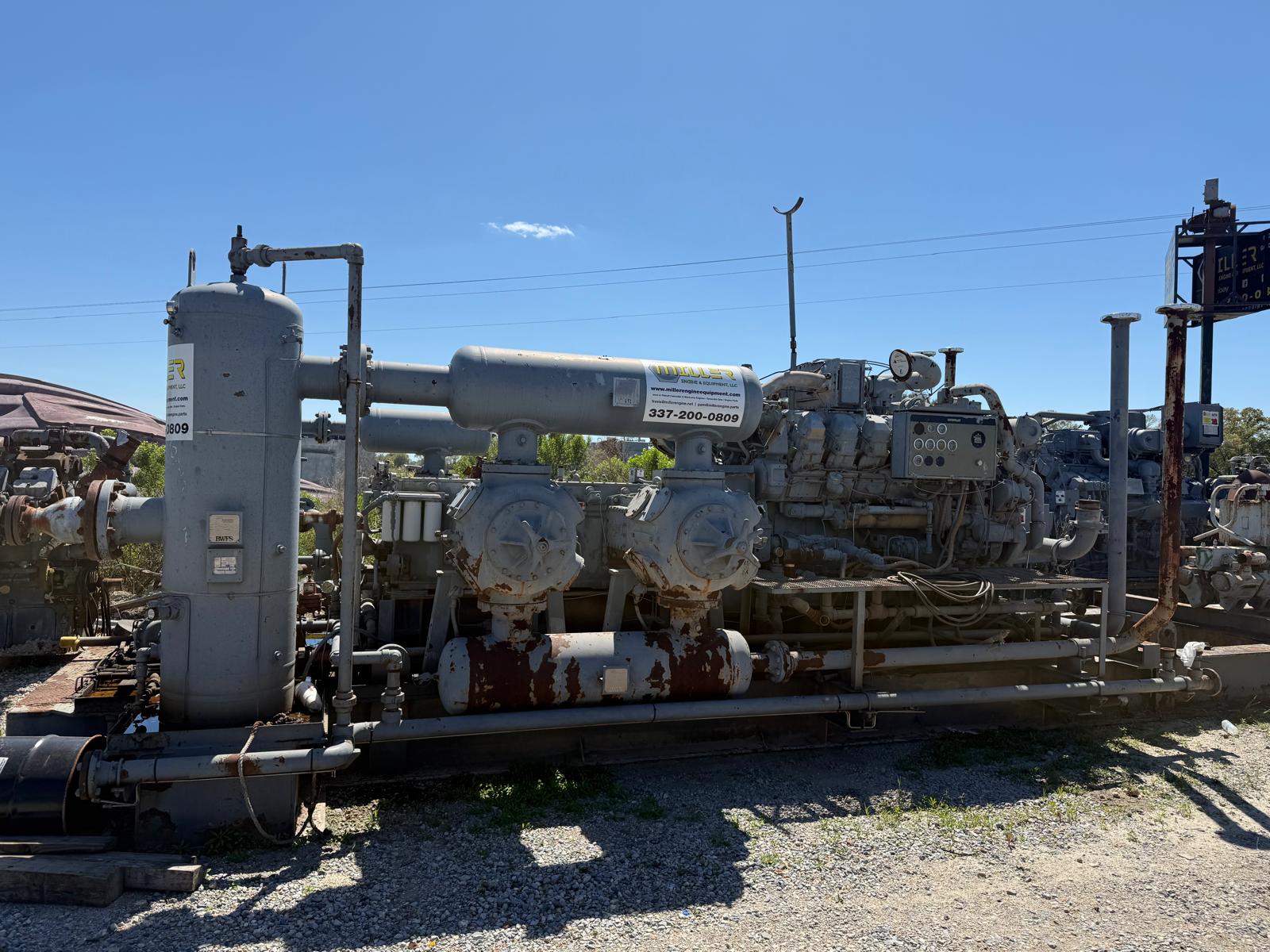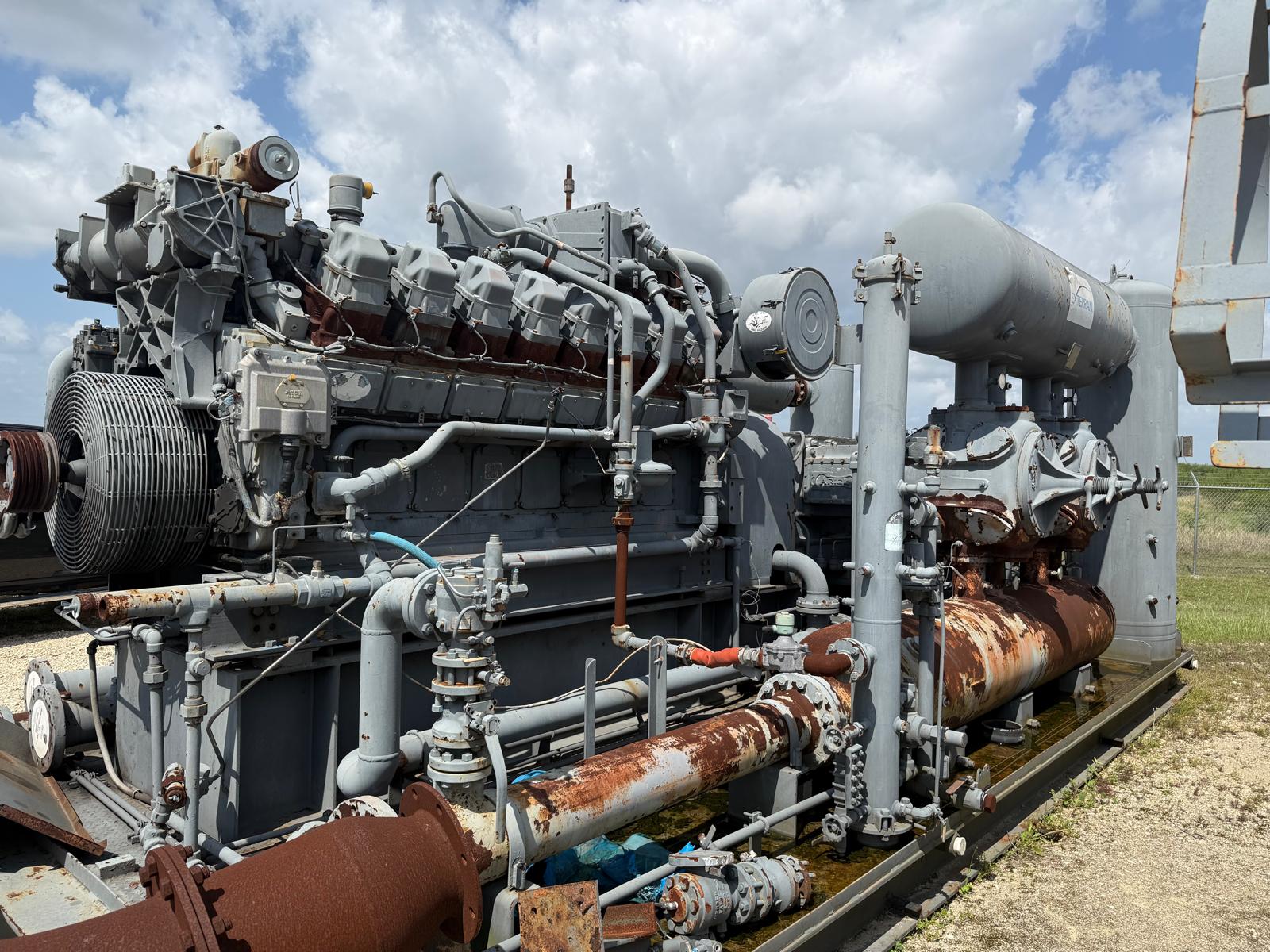
Buying a compressor package is rarely a simple equipment purchase. It is a production decision, a maintenance decision, and a logistics decision all at once. The most common mistake buyers make is starting with the machine they want instead of the service they need. A package that looks impressive can still be the wrong answer if it cannot handle the actual gas stream or if it creates maintenance headaches the site is not prepared to manage. That is why the safest way to buy a compressor package is to work backward from the application and the operating plan.
The first thing to define is process data. You need suction pressure, discharge target, gas composition, flow demand, temperature range, and duty cycle. You also need to know whether the package will serve gathering, midstream boost, vapor recovery, landfill gas, or another process. Those details determine stage count, cylinder sizing, driver horsepower, cooling requirements, and the kind of control logic you will need. If the site data is incomplete, the project should not move forward on assumptions. In our experience, a little time spent validating the operating profile saves far more time than trying to fix a mismatched package after it arrives.
The next decision is whether to buy new, used, or rebuilt. New packages can offer a clean starting point, but lead times are often longer and capital costs are higher. Used packages can be attractive when the platform is familiar and the core hardware is still in good shape. Rebuilt packages usually provide the best balance when you want documented condition, corrected wear items, and a shorter path to deployment than a full new-build order. The right choice depends on the risk tolerance of the project. If downtime is expensive, a rebuilt package usually wins. If capital is the main constraint and the customer has a strong internal maintenance team, a used package might be enough.
Controls matter more than many first-time buyers expect. A compressor that starts and runs is only halfway finished if the shutdown logic, pressure monitoring, and alarm response are not reliable. Modern packages should make it easy to see what the machine is doing. That means good instrumentation, accessible data, and practical integration with the site’s existing SCADA or PLC environment. If the control system is old, hard to maintain, or incompatible with the rest of the site, the buyer may spend more over time than they saved on the original purchase.
Another factor worth reviewing is serviceability. People often focus on horsepower and pressure while overlooking how the machine will be maintained. Ask whether the filters are accessible, whether the oil service path is reasonable, whether the package can be aligned without unusual tooling, and whether spare parts will be easy to source later. A package with poor service access becomes a project problem after the first maintenance event, not during the sale. Miller Engine & Equipment pays attention to those details because they are the difference between a machine that is merely installed and a machine that is easy to keep alive.
Documentation can also change the value of a package. A unit with clear records, test data, and known service history is easier to evaluate and easier to finance. Missing documentation does not automatically make a package bad, but it should make the buyer more cautious. If the records are incomplete, the purchase price should reflect the extra uncertainty and inspection work that will be required. Good documentation also helps future teams understand the machine. That reduces the risk of accidental service errors and shortens troubleshooting time when the site eventually needs repairs.
Logistics and commissioning should be part of the buying conversation from the beginning. Buyers sometimes budget only for the machine itself and then discover that shipping, rigging, controls work, permits, and start-up support add significant cost. Planning for those items early gives you a more honest budget. It also helps avoid timing problems when the equipment is ready but the site is not. A strong buying process treats delivery, installation, and commissioning as part of the package, not as an afterthought.
At Miller Engine & Equipment, we encourage buyers to compare total value rather than sticker price. The best compressor package is the one that matches the process, fits the maintenance plan, and can be supported by the people who will own it after start-up. If you are weighing options and want a practical second opinion, we can help you review the application, the risks, and the best path forward.