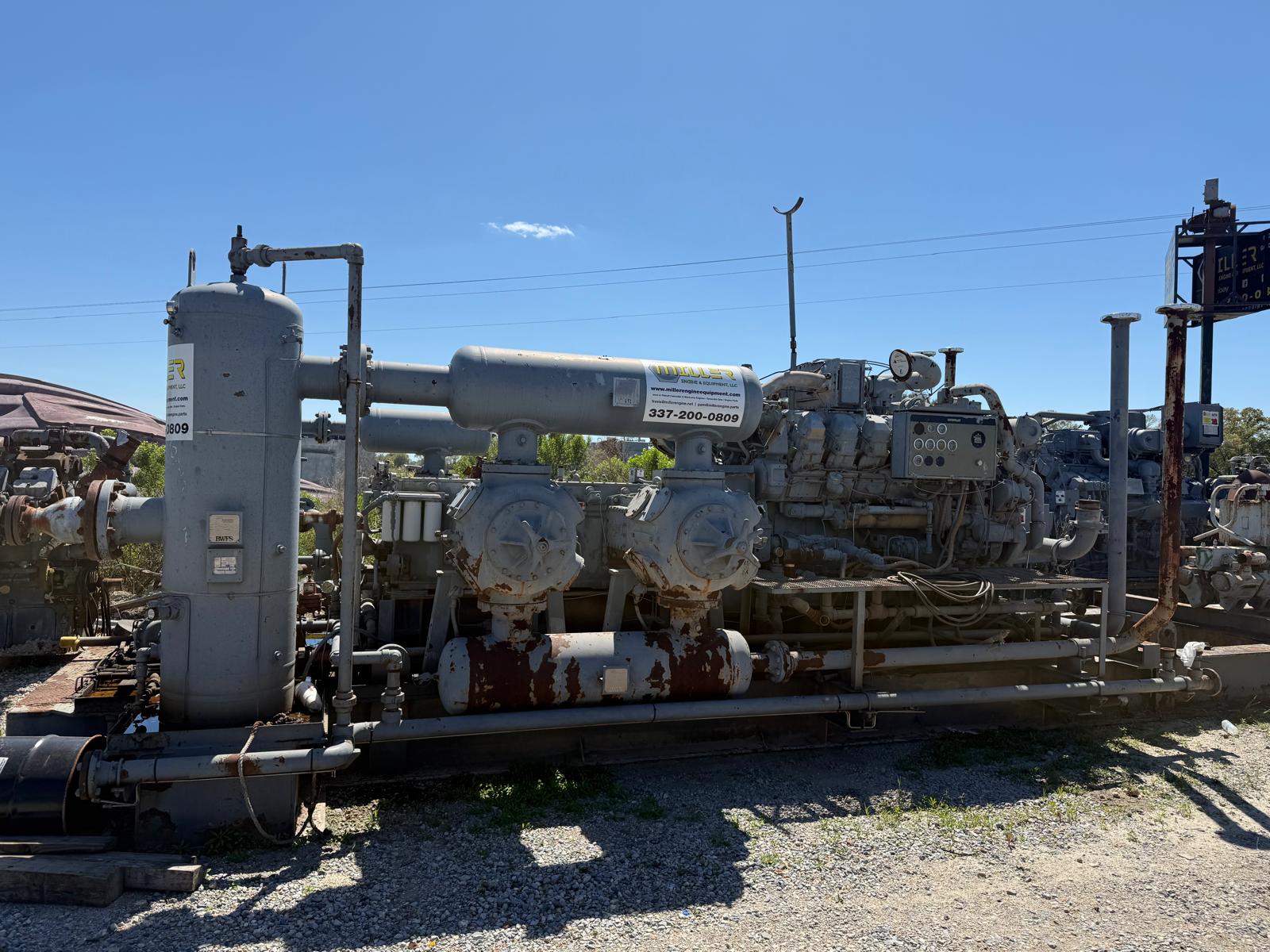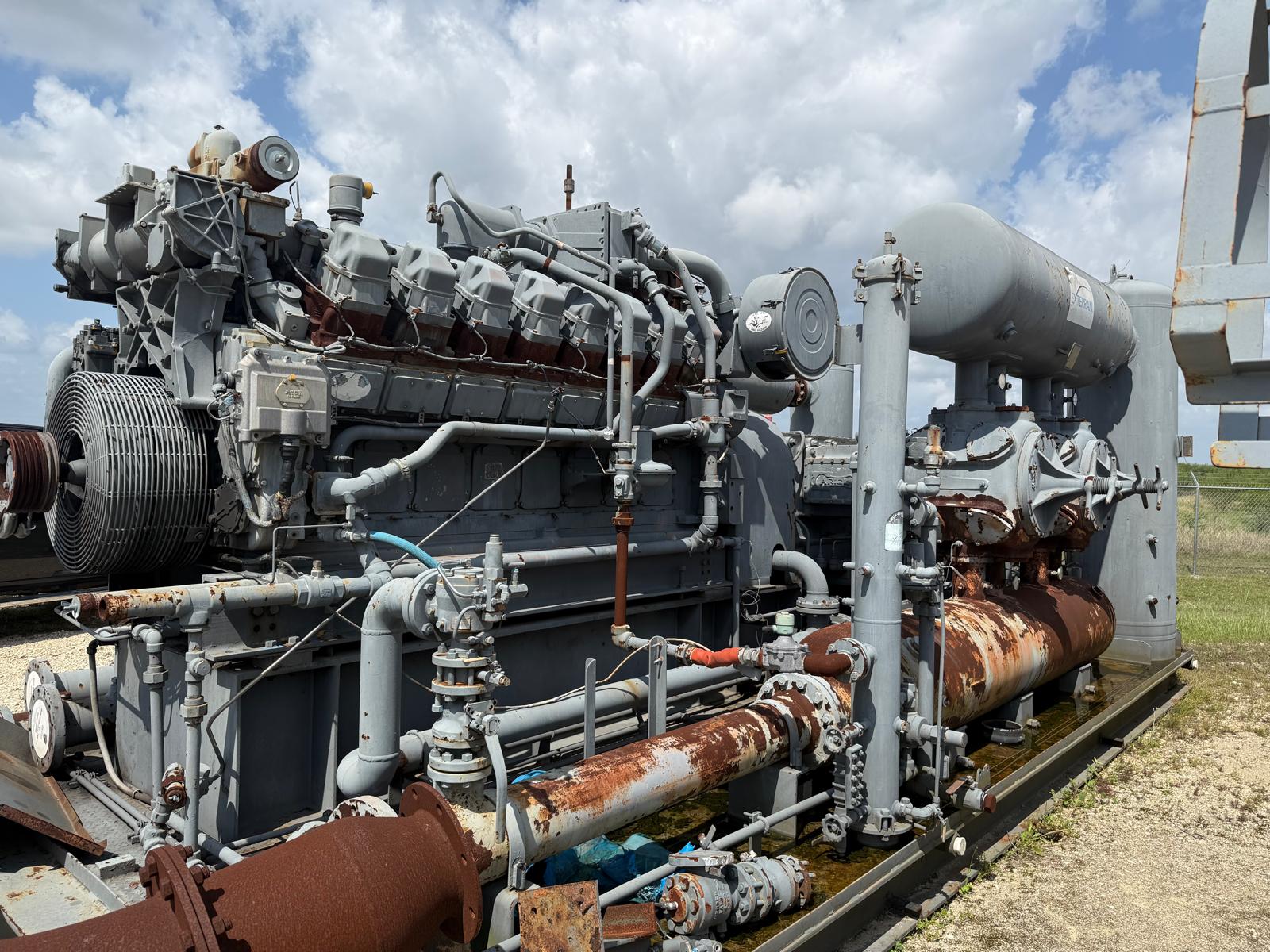
Used compressor packages can create excellent value when the buyer understands what matters and avoids paying for problems hidden by fresh paint. The appeal is easy to see. A used package can often be deployed faster than a new build, and it may come at a price point that leaves room in the budget for installation, controls, or later upgrades. But not every used package is a good purchase. Some units are maintenance-friendly and only need targeted work. Others have been patched together over years of service and would cost more to revive than they are worth. Miller Engine & Equipment helps customers tell the difference before a decision turns into an expensive mistake.
The first step in evaluating a used compressor package is context. We want to know where the unit ran, what gas it handled, how it was maintained, and whether it was removed because of age, a process change, or a failure. That history matters because two packages with the same hours can have very different levels of remaining value. A package that ran in clean, well-documented service may still have strong life left. A package that operated in harsh conditions with minimal records may require a full overhaul even if it looks acceptable at a distance. This is why our review goes beyond a surface inspection.
Condition is only part of the story. Buyers also need to think about whether the package still fits the application. A used compressor that is technically sound can still be wrong for a new site if the pressure range, stage count, control scheme, or driver size does not match the process. We help customers compare the old duty cycle with the new one. If the fit is close, the used package may be a fast path back to production. If the fit is poor, the buyer may save money by moving to a different frame or by rebuilding the package with a better control strategy.
Our inspection process looks at wear items, documentation gaps, and the condition of auxiliaries. That includes the driver, frame, cylinders, bottles, piping, control panel, wiring, and skids. We pay attention to components that are cheap to ignore and expensive to replace later, like sensors, shutdown devices, flexible couplings, and mounting hardware. If something is marginal, we would rather identify it early than let it become the reason a customer loses a week of production after start-up. Used equipment should be evaluated with that kind of honesty because the buyer is depending on the seller to surface the hidden risks.
When the used package is promising, we can help turn it into a stronger asset. That may mean a targeted rebuild on the driver, replacement of wear components in the compressor frame, or a controls refresh that makes the package easier to operate. We can also improve serviceability by reorganizing access, replacing weak hardware, and documenting the final condition in a way that helps maintenance crews later. The goal is not to make a used package look new. The goal is to make it dependable, supportable, and worth the capital spent on it.
Some buyers compare used compressor packages only on purchase price, but the more useful comparison is total cost to production. A package that costs less up front can become expensive if it requires frequent callouts, hard-to-find parts, or repeated commissioning work. On the other hand, a well-selected used package can move into service quickly, preserve capital, and perform reliably if the right inspection and refurbishment work is done first. That is the balance we help customers strike. Good used equipment is not about luck. It is about choosing an asset with enough remaining life and enough engineering support to justify the decision.
Miller Engine & Equipment has worked with operators who need immediate replacement, buyers who are growing a field, and maintenance teams looking for a backup package. In every case, the same principle applies: a used compressor package should be selected with the next five years in mind, not only the next five days. If you need help comparing options, we can review the application and point you toward the most practical path, whether that is a used unit, a rebuilt package, or a custom solution.