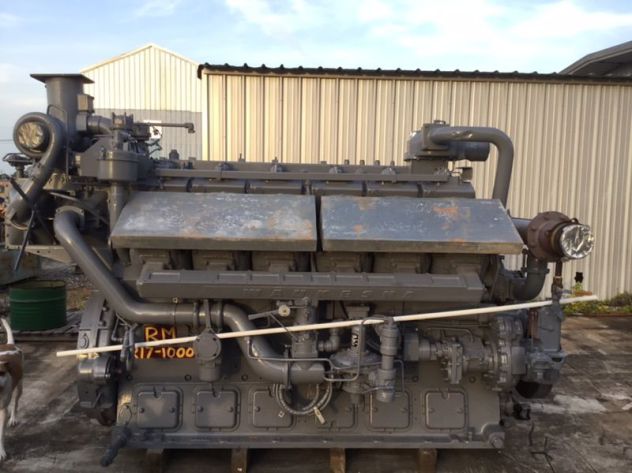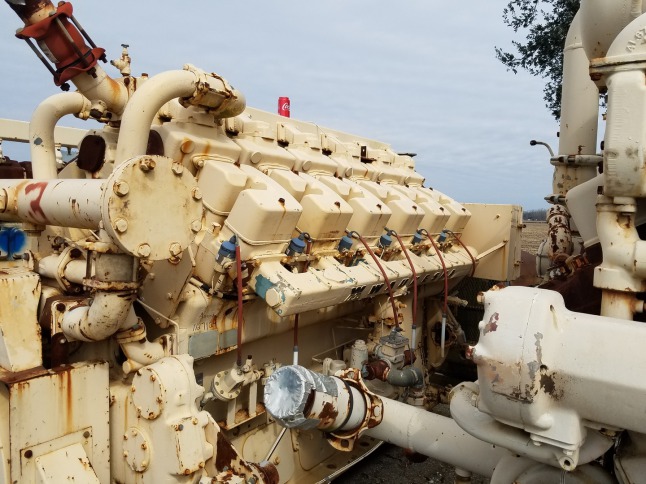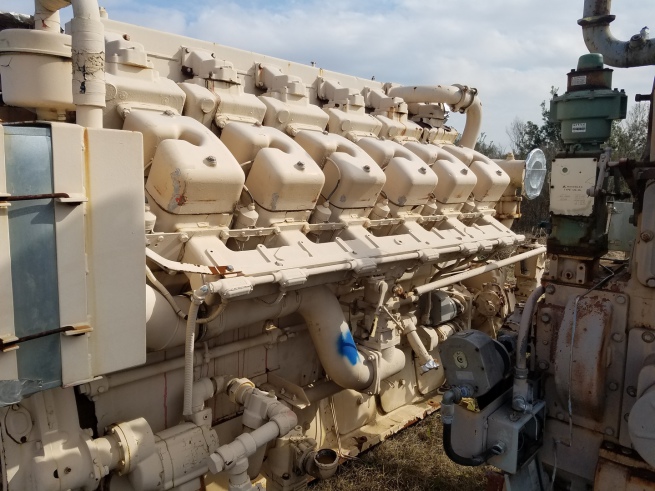
The Waukesha L7042GSI occupies a useful place in the gas engine market because it combines familiar Waukesha architecture with the kind of configuration operators often need for practical field service. Buyers usually care about two things: whether the engine will perform reliably in their specific application and whether the machine can still be supported years down the road. The L7042GSI answers both concerns reasonably well when the rebuild is handled with discipline. That is why Miller Engine & Equipment continues to treat the platform as a meaningful option for customers who want a dependable gas engine rather than an expensive experiment.
The GSI designation matters because many operators need a gas engine that is set up for the realities of natural gas service, not just a generic industrial duty cycle. Fuel characteristics, ignition behavior, and control strategy all affect how well the engine behaves after installation. A good rebuild has to respect those details. We begin by evaluating the condition of the engine and then decide which components must be renewed to restore consistency. That can include wear surfaces, ignition-related hardware, fuel-related components, and package accessories that keep the unit stable under changing load.
One of the reasons this model remains attractive is that it can be adapted to different site strategies. Some customers want a straightforward engine for compressor duty. Others want a unit that can be paired with controls and monitoring that make life easier for maintenance crews. In both cases, the engine benefits from careful inspection and sensible refurbishment. The goal is not to change the character of the machine. The goal is to remove uncertainty so the customer knows what they are buying and how they will support it after it is installed.
The L7042GSI is also a good example of why condition-based buying matters. Two engines can look similar on paper and still have very different service lives remaining. A documented rebuild, a known maintenance history, and clean inspection results can make the difference between an asset and a liability. We prefer to explain those differences in plain language. If the engine is a strong candidate for rebuilding, we say so. If it has hidden risks that make it less attractive, we explain that as well. Buyers make better decisions when the facts are clear and the tradeoffs are visible.
Serviceability is another strength of the platform. Waukesha engines are often favored because operators want equipment that can be inspected, maintained, and supported without a huge learning curve. That does not mean every repair is simple, but it does mean the platform can be managed by a skilled team with the right parts and documentation. We keep that in mind when planning a rebuild. A package should not just run well on acceptance day. It should remain practical for the people who will own it later. Maintenance access, documentation, and spare parts planning all matter.
We also consider how the engine fits into the larger asset picture. Some customers need one replacement unit immediately. Others are planning a fleet strategy and want multiple engines that can share parts and procedures. The L7042GSI can fit either use case. When the same model is used across several sites, training and inventory become easier. When the engine is used as a one-off replacement, the known platform still reduces uncertainty compared to moving into a completely different family. That is one reason buyers repeatedly return to trusted Waukesha platforms.
At Miller Engine & Equipment, we try to keep the rebuild scope focused on useful value. That means avoiding unnecessary complexity while still addressing the components that determine longevity and reliability. If the customer needs controls modernization or a package-level refresh, we can include that. If the goal is a clean, dependable engine with clear documentation, we can do that too. The important thing is to match the rebuild scope to the service plan, not the other way around.
If you are considering a Waukesha L7042GSI, the best next step is to compare the engine’s condition against the actual job it needs to do. Once the application is clear, we can help determine whether a rebuild, a parts strategy, or a different engine makes the most sense. That kind of practical evaluation is how a good engine purchase becomes a dependable field asset.