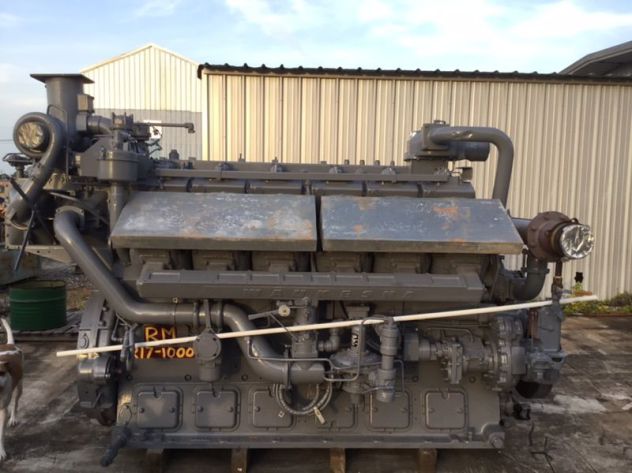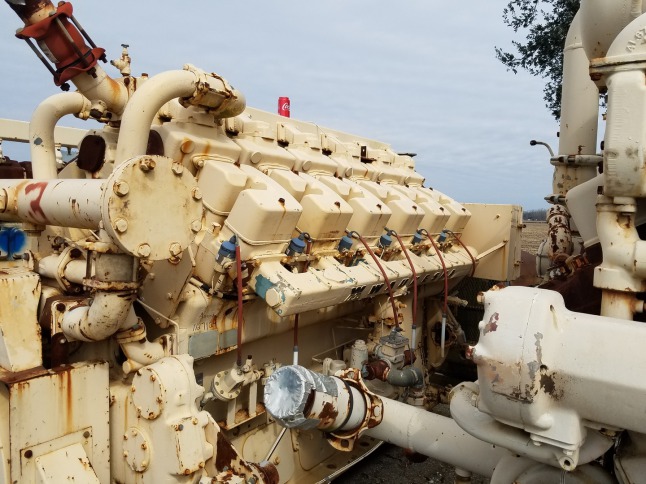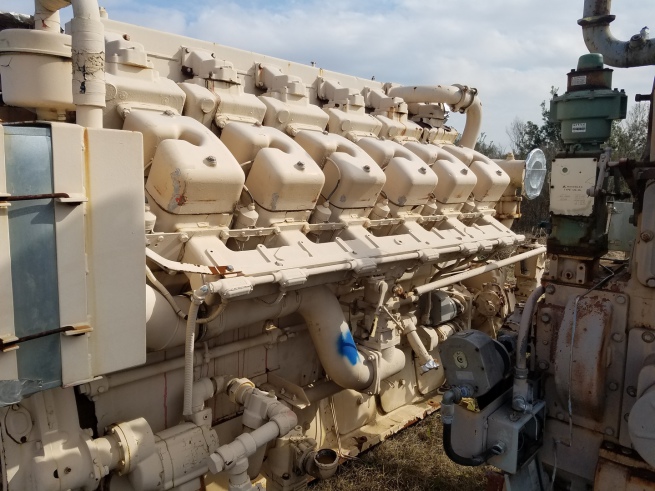
The Waukesha L7042 has earned a long service life because it solves a common industrial problem: operators need reliable gas horsepower without constantly fighting the machine. It is not a flashy platform, but it is one of those engines that earns respect in the field because it can be maintained, rebuilt, and returned to service with a reasonable level of confidence. Miller Engine & Equipment works with the L7042 because it remains a practical choice for customers who need a dependable engine that can support compressor duty, power applications, and other natural gas service roles.
What makes the L7042 interesting is that it sits in a comfortable middle ground. It offers meaningful output while still remaining serviceable enough for shops that know Waukesha systems. That matters to operators who value uptime and who need a platform that can be handled by experienced technicians without waiting on a completely proprietary service chain. The engine is also a good fit when the customer wants a strong rebuild candidate rather than a machine that has to be replaced outright. If the core condition is there, a properly rebuilt L7042 can deliver years of useful service.
Our rebuild process starts with measurement, inspection, and a realistic evaluation of what the engine needs. We look at major rotating components, wear surfaces, cylinder condition, heads, and other assemblies that influence reliability. We also pay attention to the supporting systems that are easy to overlook, such as ignition, fuel handling, and lubrication. A Waukesha engine should be judged as a complete machine, not just as a block and crank. Small issues in the supporting systems can become expensive problems later, especially in gas service where heat, load, and uptime expectations are unforgiving.
The L7042 can also be part of a broader asset strategy. Some buyers are replacing older units one at a time. Others are building a standard fleet and want multiple engines that can be maintained in a similar way. The L7042 is useful in both cases because it gives the operator a known baseline. If the site already has Waukesha support experience, the learning curve is lower. If the site is adopting the platform for the first time, the engine still offers enough maturity that maintenance planning is manageable. That makes it a better long-term bet than a more obscure machine with a lower initial purchase price but higher uncertainty.
We also help customers think about the engine in relation to the application. An engine that looks good on paper can still be the wrong choice if the speed, fuel, or duty cycle do not fit the site. Our team reviews the actual service environment before recommending the unit. That includes gas quality, expected run hours, control strategy, and the maintenance resources available at the site. If the L7042 is right, we can build around it. If not, we will say so and suggest a different platform. Honest sizing saves money, reduces downtime, and builds trust.
Documentation is another reason the L7042 is still attractive. Buyers want to know how the engine was rebuilt, what parts were renewed, and what testing it received. We like to provide that trail because it gives the next owner a better starting point. A documented engine is easier to commission, easier to insure, and easier to service later. It also gives maintenance managers the confidence to schedule spares and inspections around real conditions rather than guesses. That becomes especially important when the engine is tied to production-critical compression or power generation.
The Waukesha L7042 also benefits from a practical rebuild philosophy. We do not chase perfection for its own sake. We aim for a machine that is mechanically sound, supportable, and suitable for the job it was purchased to do. That approach keeps projects focused on value instead of unnecessary upgrades. For some customers, that means a clean rebuild and a quick return to service. For others, it means a more complete scope that includes controls, monitoring, or package-level integration. The right answer depends on the application, and we can help define it.
If you are evaluating a Waukesha L7042, the real question is not whether the engine has a place in the market. It does. The question is whether this specific engine can be rebuilt into an asset that fits your site, your schedule, and your maintenance plan. Miller Engine & Equipment can help answer that question clearly so you can move forward with fewer surprises.