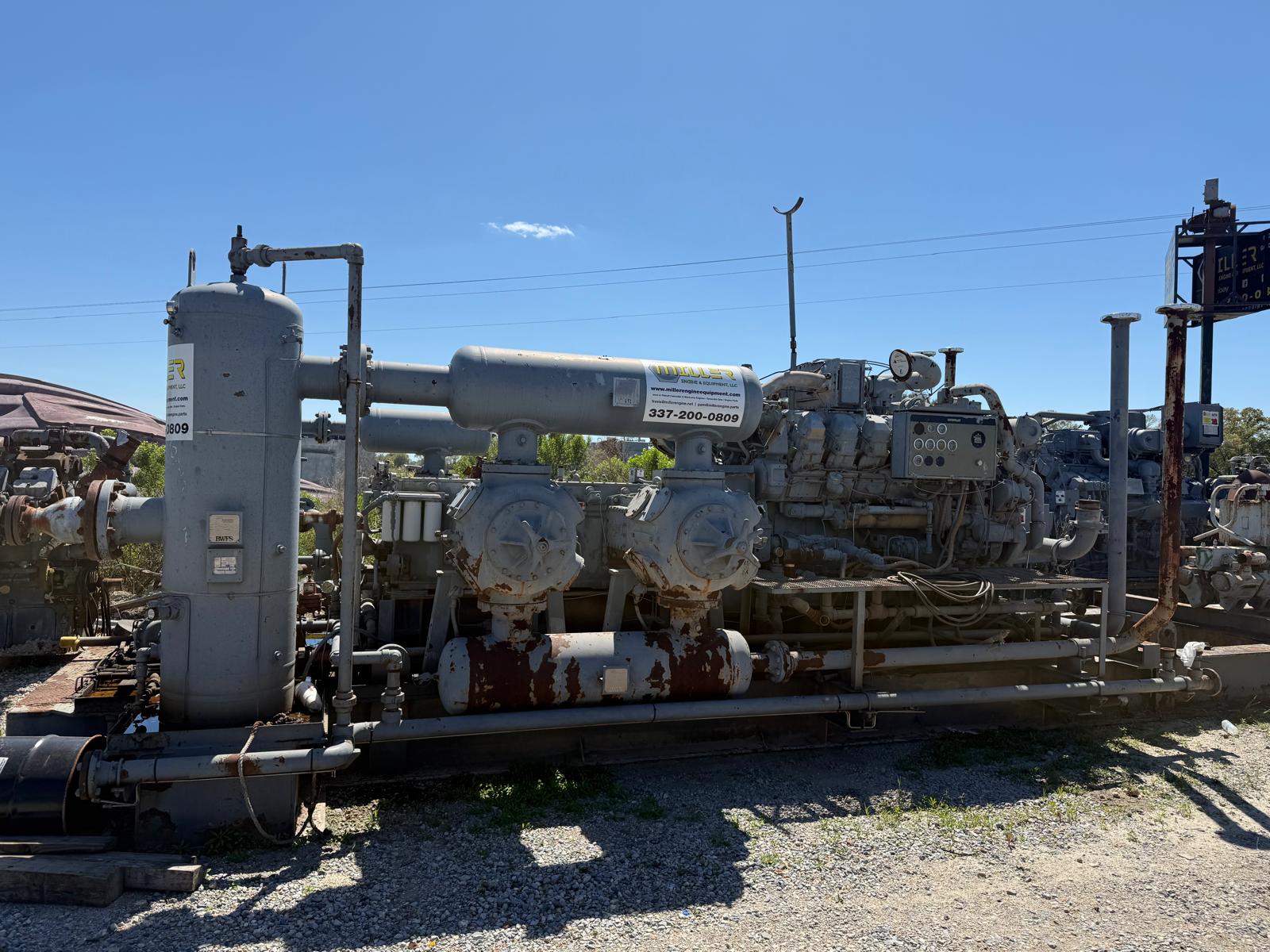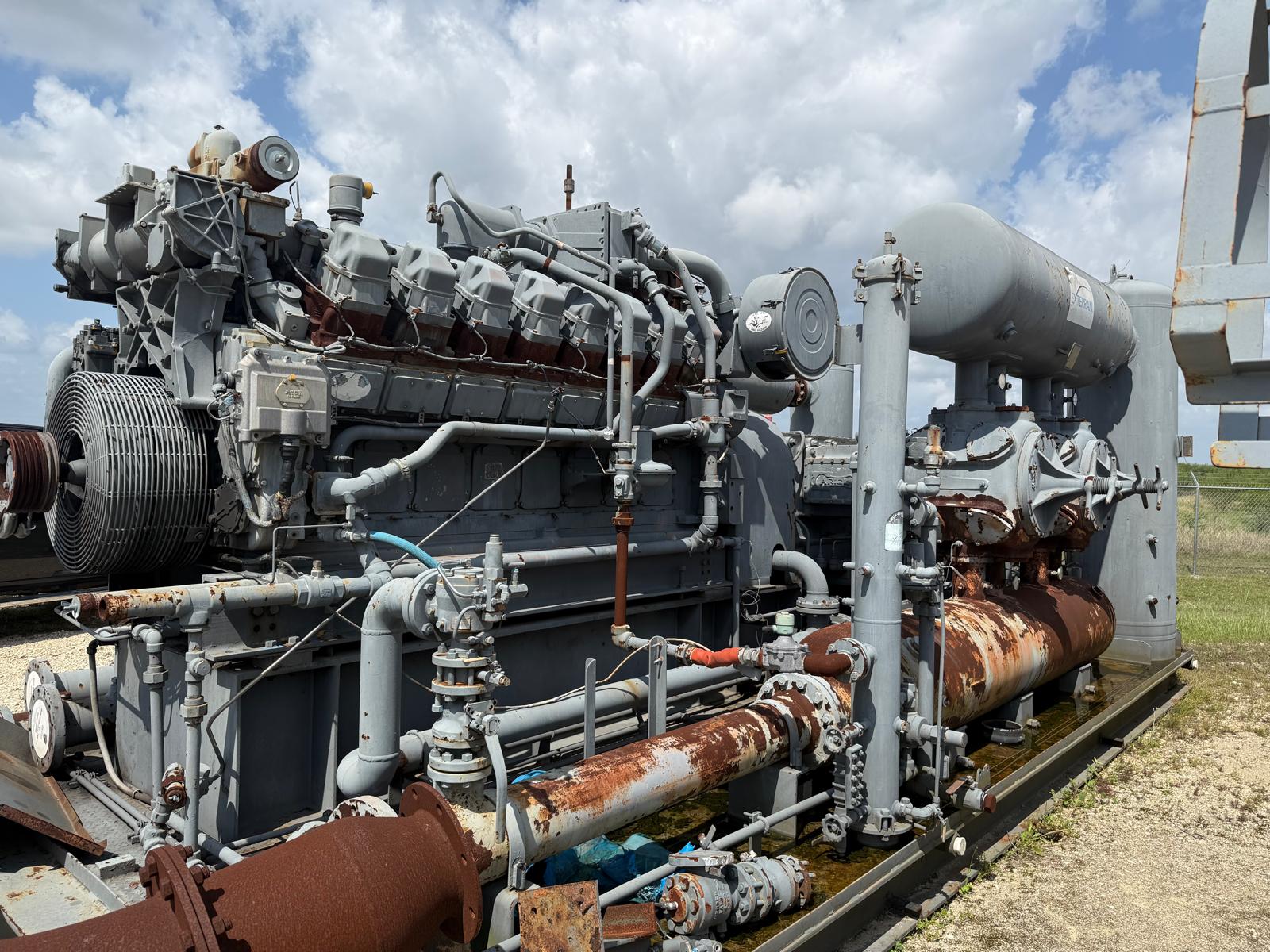
Natural gas compressor packages sit at the center of a lot of production decisions. Operators need more than horsepower. They need a system that starts when the pad is ready, holds pressure when the line changes, and survives the kind of upsets that happen in real field conditions. That is why Miller Engine & Equipment builds compressor packages as complete operating systems instead of a collection of parts. We align the driver, compressor frame, control logic, cooling, bottle package, and skid structure so the result feels like a single machine in service, not a project assembled from separate vendors.
For many buyers, the first question is not whether a compressor can be rebuilt. It is whether the rebuilt package will perform predictably after installation. Our answer starts with application review. We look at suction pressure, discharge target, gas composition, flow profile, ambient temperature, duty cycle, and site standards. Those inputs shape everything from cylinder size to rod load margins to the style of controls we recommend. When the specification is clear, our shop can assemble a package that is sized for the duty instead of oversized out of caution or undersized to save cost. That balance matters because compression efficiency often determines whether a site meets production goals or burns money through preventable downtime.
Our rebuild process is designed for consistency. Engines are torn down, inspected, machined, and reassembled with traceable measurements. Compressor frames receive inspection for wear, alignment, and bearing condition. Bottles, piping, and auxiliaries are cleaned, repaired, and replaced as needed. Before release, the package gets a performance review that checks vibration, temperature behavior, and control response. We want the equipment to show stable behavior before it reaches the pad, because catching a weakness in the shop is far cheaper than discovering it after the truck arrives on location. That philosophy is what allows us to work on used compressor packages without treating them as second-tier assets.
Many customers also use this page to compare new and used options. The short version is that a used package can be a smart buy when the core structure and frame are sound, but the operator still needs confidence in the driver, compressor internals, and controls. A rebuilt package is a stronger fit when the site needs a longer service horizon, documented testing, and fewer surprises during commissioning. Miller Engine & Equipment can recommend the right path after reviewing operating hours, gas quality, and the urgency of the outage. We have seen projects where a straightforward refurbishment was enough, and others where a more complete rebuild saved the customer from repeated service calls within the first year.
The control system is just as important as the mechanical side. Modern compressor service often requires telemetry, shutdown logic, and alarms that can be tied into site SCADA. We can integrate PLC logic, legacy controls, or engine packages with site-specific interlocks. That allows the operator to monitor vibration, discharge pressure, lube oil health, and other key indicators from a central room instead of relying on manual checks. When the package is part of a broader facility, this level of integration reduces the gap between mechanical reliability and operational visibility.
Another reason buyers choose a rebuilt package is speed. New projects can be delayed by long OEM lead times, especially when the site needs a particular engine family or frame configuration. Our model reduces that waiting period by staging popular drivers, frames, and support components. The package still goes through a disciplined engineering review, but the parts are already in motion. That can turn an outage that would have lasted months into a project measured in weeks. For producers under take-or-pay commitments, that difference has a direct financial value. The value is not only that the equipment arrives sooner, but that the commissioning window can be planned with more confidence.
We also help buyers think beyond the initial start-up. A compressor package should be serviceable after delivery, not merely functional on day one. That means making sure access points are practical, critical spares are documented, and maintenance intervals are realistic for the people who will run the site. Our technicians consider filter access, oil change paths, vibration monitoring access, and the layout of instruments and cables. A well-designed package shortens future maintenance and lowers the odds of rushed field work under bad weather or operating pressure. This is one of the main reasons customers return to Miller Engine & Equipment after their first project.
When the package is destined for a demanding environment, we can also adapt the build for heat, cold, or corrosive conditions. Some sites need additional cooling capacity, enclosure changes, or more robust paint and preservation. Others want dual-fuel flexibility or a compressor that can tolerate gas composition changes over time. We plan for those realities early because the best package is the one that stays useful as the site evolves. The point is not just to deliver a machine that meets the spec today. It is to deliver a package that still makes sense after production ramps, flow patterns shift, and maintenance budgets tighten.
If you are evaluating natural gas compressor packages, start with the operating data and the outage window. From there, we can help determine whether a rebuilt package, a used package, or a custom-built system is the most practical choice. Miller Engine & Equipment serves customers who need honest guidance, clear documentation, and equipment that will work in the field instead of only in the brochure. The best time to plan a compression project is before the failure becomes an emergency, and the second-best time is now.