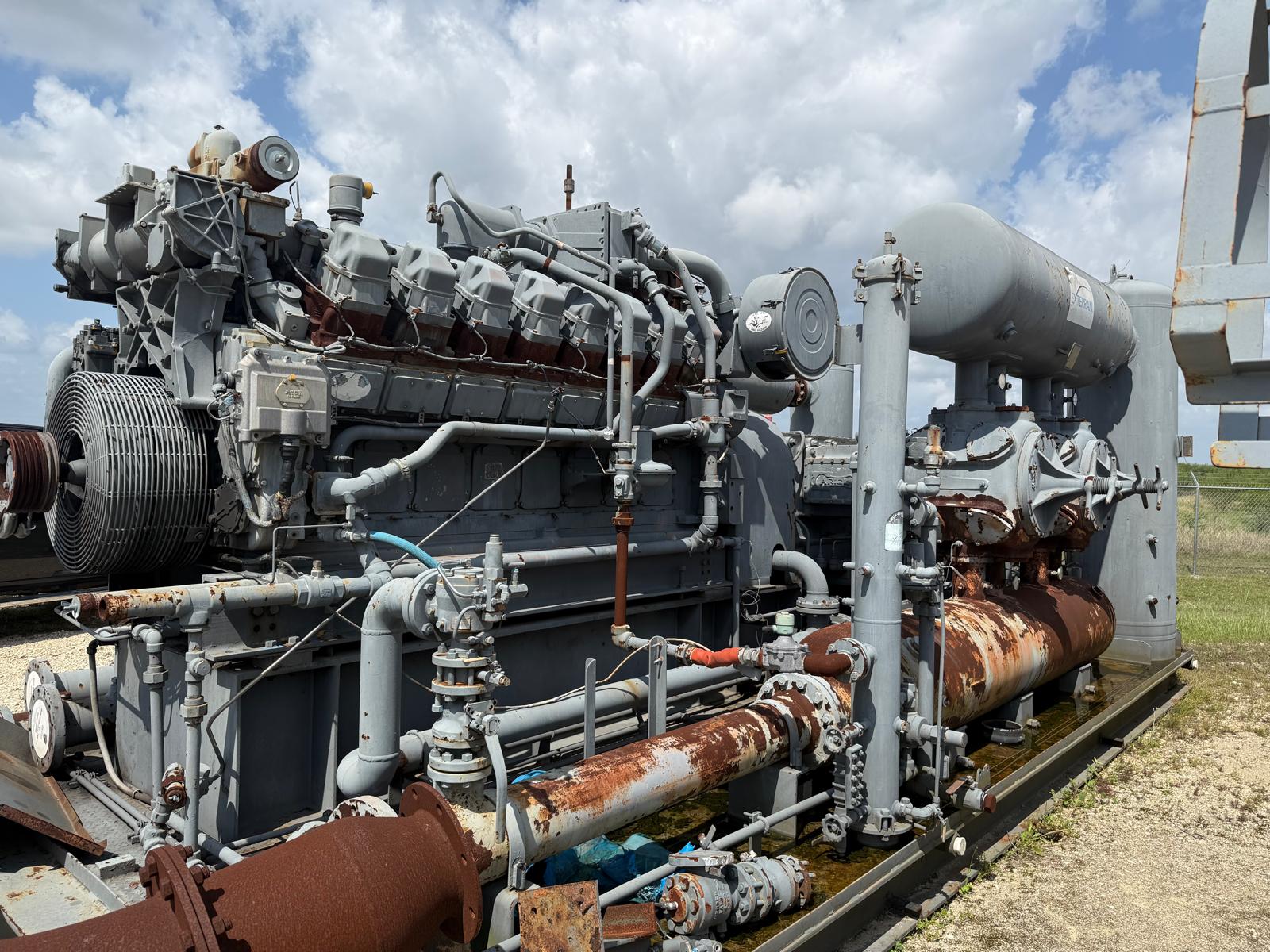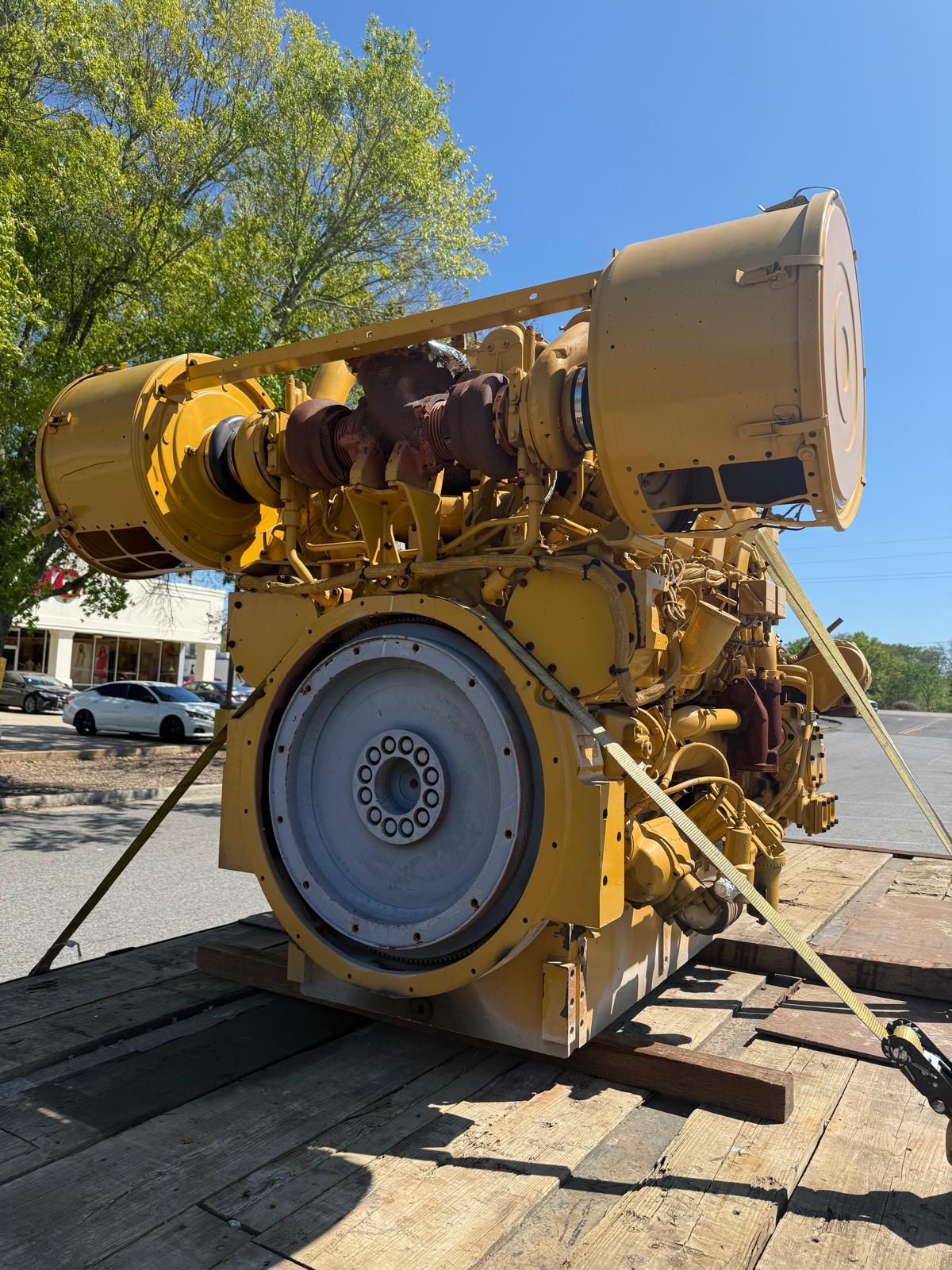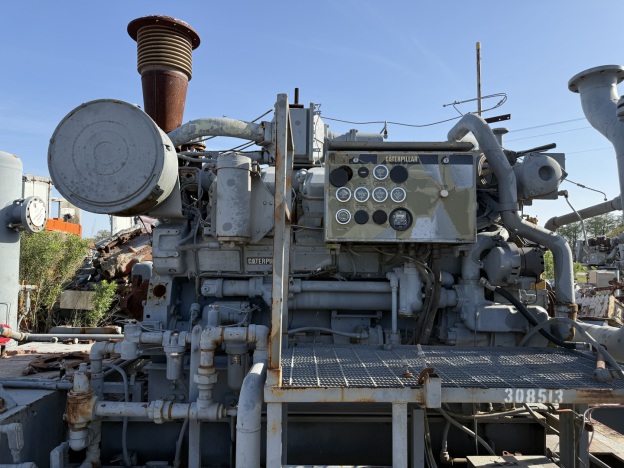
The CAT 3516 engine is the kind of platform that earns its place in industrial fleets by doing serious work with a high level of supportability. It is larger than many buyers need, but when the application demands more output and more margin, the 3516 can be the right answer. Miller Engine & Equipment treats the model as a strong rebuild candidate because it gives customers the power they need without forcing them into an unfamiliar or unserviceable machine. That combination of output and practicality is what keeps the engine relevant across a wide range of applications.
One of the major strengths of the 3516 is the amount of work it can absorb while still remaining understandable to experienced diesel technicians. That matters because large engines are only useful if the owner can keep them on the road. A higher horsepower rating alone does not make an engine valuable. It must also be supportable, documented, and tuned to the site’s actual operating conditions. We rebuild around those realities by evaluating the core, checking the supporting systems, and making sure the machine can be maintained once it leaves the shop.
The rebuild process starts with inspection and repair planning. We look for wear in the major assemblies, assess the condition of the block and rotating parts, and determine which components need to be renewed. A 3516 rebuild is a serious investment, so the work has to be honest. If the engine needs significant machining or auxiliary updates, those items should be part of the scope from the beginning. If the engine is a better candidate for a smaller scope, we say that too. Good rebuild planning protects the customer from paying for assumptions that do not hold up in service.
The 3516 is also a strong choice when the customer wants a diesel platform that can be tied into a broader system. That might mean generator service, industrial power, or another heavy-duty role that requires controls, cooling, and monitoring to work together. We can refresh those systems as part of the project so the engine is not just mechanically ready but also operationally coherent. That is important because many failures happen at the interface between engine, controls, and auxiliaries. When those pieces are aligned, the machine becomes much easier to trust.
Buyers often compare the 3516 to smaller CAT engines and ask whether the extra size is worth it. The answer depends on the load profile and how much growth margin the site needs. If the application is steady and modest, a smaller engine may be better. If the operation is heavy, variable, or expected to grow, the 3516 can offer a safer long-term path. We help customers make that choice by looking at the real duty cycle instead of just the headline horsepower number.
Documentation and testing are essential on a rebuild of this size. Customers need to know what was done, what was measured, and how the final engine behaved before release. That documentation is valuable to maintenance teams, finance teams, and anyone responsible for uptime. It also makes the engine easier to support after installation because the next technician has a clear baseline to work from. A large engine should not feel mysterious once it reaches the field.
If your project calls for serious diesel output and long-term supportability, the CAT 3516 is a model worth considering. Miller Engine & Equipment can help determine whether a rebuild, an as-is purchase, or a different CAT option best fits your application and service plan.